

Related Articles

Tangy, sweet, and perfectly sized for snacking, mandarins, which include Satsumas, Tangerines, and Clementines, have become a beloved group of citrus fruits. With over 500 varieties ranging in size, color and flavor, all mandarins share a few key traits: they’re generally smaller than oranges and have loose pebbly skin. Bred for sweetness and fewer seeds over hundreds of years, recent demand has rocketed for easy to peel ‘zipper-skin’ types, making them a convenient and delicious choice.
Learn More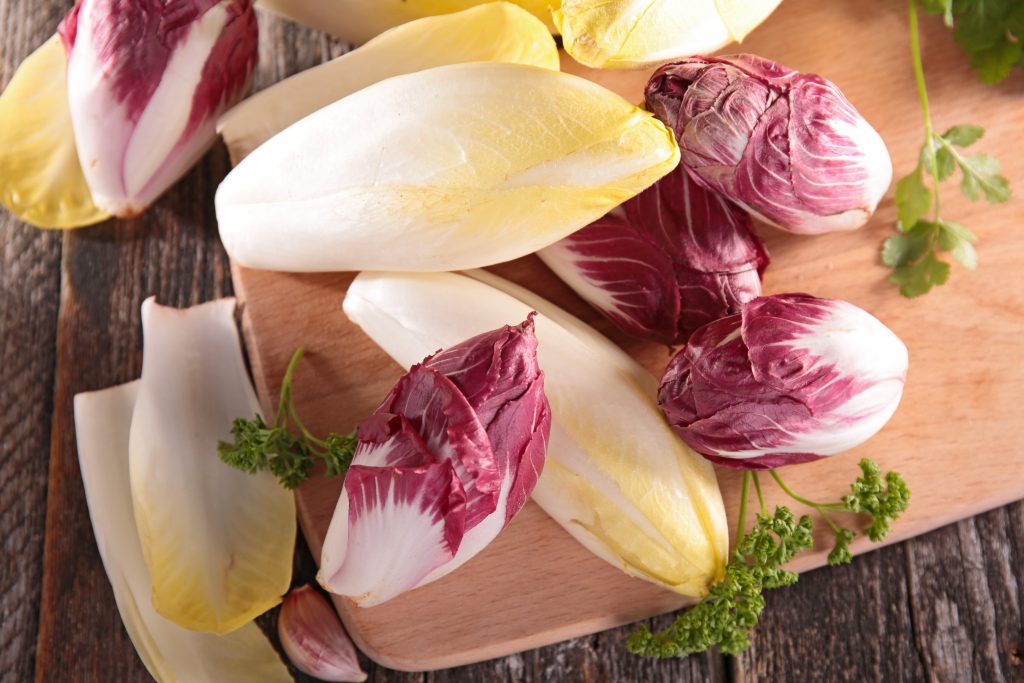
Chicories are a wonderfully quirky family of leafy vegetables—crisp, bold, and proudly bitter in the best way. And lucky for us, it’s the best time of year to enjoy them! Cooler weather mellows bitterness and concentrates natural sweetness, giving them a more balanced, complex taste.
Learn More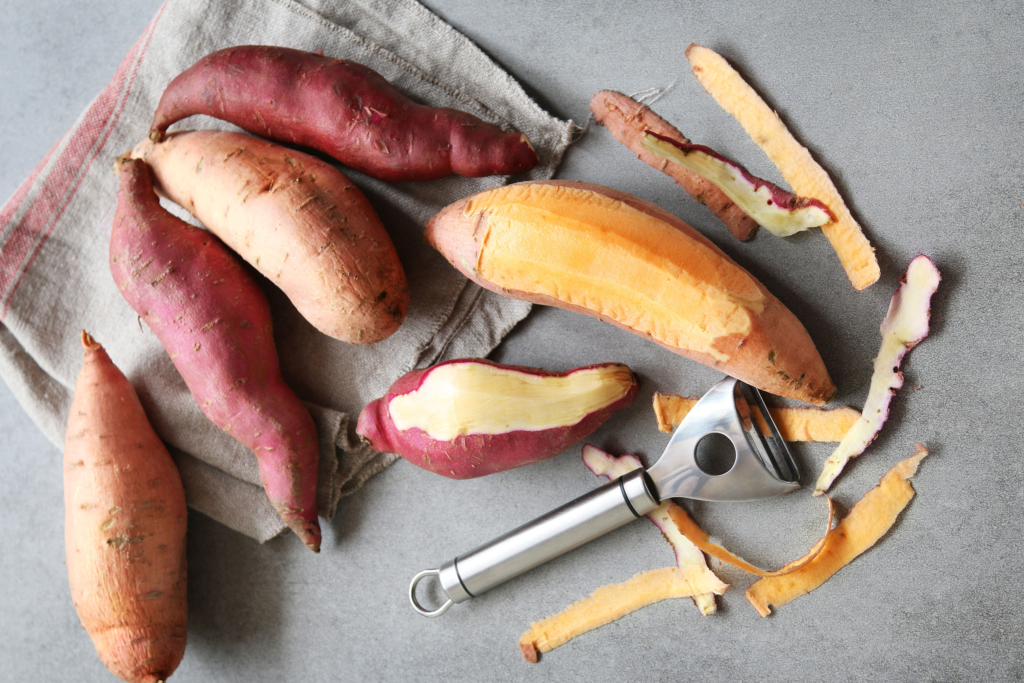
A yam is a starchy root that is native to Africa and Asia. They are cylindrical in shape with rough brownish bark-like skin. The flesh can be white, purple, or reddish. Compared to sweet potatoes, yams are drier, lower in beta carotene, starchier, and taste less sweet. An exception is Ube, a sweet Filipino purple-fleshed yam with shaggy-brown inedible skin and a distinctive nutty flavor. True yams can be difficult to find in the USA and are more likely to be sold in international or ethnic food stores.
Learn More