
Mangoes are loved for their bright color and intensely sweet, tropical flavor. They are the most widely grown edible fruit in the world, outpacing bananas, and are cultivated in every tropical region. Originating in South Asia over five thousand years ago, the mango is culturally, economically, and nutritionally important worldwide, serving as the national fruit of India, Pakistan, and the Philippines. Major export producers include Mexico, Peru, Brazil, Nigeria, India, and China. Popular throughout the world as a prolific “back yard” producer, people rely on them from Hawaii to the Carribean, eating them out-of-hand, juiced, in sweet preserves and pickled (when green).
Fun Fact: Although related to cashews, mangoes are classified as stone fruit (similar to peaches, cherries, and plums) because there is one hard seed surrounded by fruit.
There are over 500 varieties of mangoes, varying in color, taste, and size. Some of the most popular varieties in the USA are Ataulfo, Kent, Keitt, and Tommy Atkins. Here’s a quick mango rundown:
Ataulfo: Small sized, with bright yellow skin, and a lima bean shape. Sweet with a non-fibrous creamy, smooth texture.
Kent: Yellow skinned with a slight red/orange blush. The Kent offers a sweet, succulent flavor and near fibreless flesh. Softer than other varieties when ripe.
Keitt: Green skinned with light red blush. Ripeness is indicated by a slightly soft texture. Their non-fibrous flesh has a creamy texture and a honey-sweet flavor.
Nam Doc Mai: Incredibly juicy with deep yellow flesh that is custardy and fibreless— reminiscent of coconut cream and honey with an aroma of vanilla and tropical flowers. Ripens from green to yellow. The #1 dessert mango in Thailand, famous in Mango with Sticky Rice!
Fun Fact: Nam Doc Mai translates to “flower water” or “sweet nectar of the blossom”
Tommy Atkins: The most widely marketed mango. The skin is green with a red and yellow blush. It has a large round shape, with fibrous flesh that makes it firm, hardy, and long-lasting, hence its commercial success.
Ataulfo, Kent and Nam Doc Mai mangoes are available now. Act fast because Kents are on their way out! Fortunately, Tommys are expected to come on at the end of February. Order a few varieties to build a colorful mango display!
“In the orchard of life, seek the juiciest mango of truth.” –Unknown
Weather Watch
The desert region has been experiencing seasonally warming weather and more daylight which has been great for production. However, it has also exacerbated aphid pressure (which is typical for this time in the season). Just like humans, when the weather is nice—the insects come out of to play! Aphid pressure has been affecting the lettuce category in particular; we’ve seen this among all producers/labels. It’s expected to impact other categories such as baby bok choy and bok choy in the next couple of weeks. This will be an on-going issue for the rest of the season until growers transition out of the desert regions sometime in March. As we finish out the winter season, please be aware that some lettuces might need extra handling for aphid presence.
New & Exciting!
Burdock Root: From family-owned Winter Green Farm in Noti, Oregon. Known as ‘gobo’ in Japan, the Pacific Northwest soil and climate is perfect for growing sweet and grassy burdock root. Add to soups and braised dishes, or steep for a gut-healthy tea! 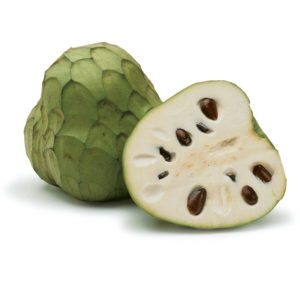
Cherimoya (right): AKA Custard Apple. The California season is just starting up, supply will be limited to start. This green-skinned subtropical fruit has soft, cream-colored custard-like flesh that tastes like a mix between pineapple, banana, and strawberry. It can be eaten with a spoon—like ice cream! The black seeds and skin are not edible. A staff favorite, cherimoya can be baked for a caramel desert.
“Cherimoya, the most delicious fruit known to man.” –Mark Twain
Coconut Date Roll with Almond: Date paste coated with shredded coconut and slivered almonds. The sweet and soft date texture and crunchy coating is a addictive combo! Makes for a naturally delicious snack high in fiber and potassium or an easy dessert! Now available in’ low investment’ 5-pound boxes.
Jicama: After a long gap, we’ll be seeing some Mexican-grown jicama again!
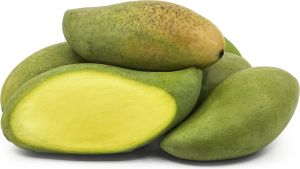 Nam Doc Mai Mango: The name translates to “sweet nectar of the blossom” and is known as Thailand’s most desirable dessert mango. Incredibly juicy with deep yellow flesh that is custardy and fibreless—this fruit’s flavor is reminiscent of coconut cream and honey with an aroma of tropical flowers. It has an exceptionally thin pit—which means there is plenty of delicious flesh waiting to be devoured!
Seville Marmalade Orange: This sour, tangy variety is best suited for juicing, zesting and making marmalade, The name comes from Seville, Spain – it was introduced from Asia in the 12th century by Arab agriculturists, and was so beloved by the Spanish that they named it after the city of Seville.
Tulip Bouquet: A true sign of Spring is the arrival of beautiful tulips! Available as straight packs and will be adding gorgeous color in all the mixed bouquets from Thomas Farms.
Yellow Dragon Fruit: Winter blues got you? What you need is a taste of the tropics! Yellow Dragon Fruit has cheery yellow skin and mild sweet white flesh that is perfect for brightening up any winter fruit display. Sweeter than red-skinned dragons, we offer a low investment 5-pound box.
Promotable
Asparagus: Mexican asparagus will continue to have strong supply with promotable pricing. California asparagus is not expected to start until mid-March.
Ataulfo Mango: AKA Honey Mango. The Ataulfo is bright yellow, with very sweet floral notes. Known for creamy ‘mouthfeel’ -with a buttery-soft, non-fibrous texture. Delicious for eating out of hand but also amazing for smoothies and shakes. Combine with the Nam Doc Mai variety for an eye-catching mango display! 
Avocado: California-grown Hass avocado from Las Palmalitas Ranch has good volume on 48 and 60 count at unbeatable prices. The flavor on these avos is creamy and delicious! The last of green-skin Fuertes are here now—these are a staff favorite! Plenty of Bacon and Ettinger available too.
Broccoli: Supply is strong on locally grown winter broccoli crowns. Mild winter temperatures have been fruitful for production.
Envy Apple: A cross between Braeburn and Gala, Envy are known for their sweet, crisp flesh and rosy-red skin. Steady supply expected until May.
 Grapefruit: Supply is plentiful for Ruby (left) and Rio Red grapefruit from B&J Ranch, in all sizes. The flavor is sweet with just the right amount of tanginess. Fruit from this grower is simply the best! Did you know all fruit from B&J is 100% unwaxed? Waxing is a common practice to preserve and extend shelf life for produce, only non-synthetic and edible wax is permitted on organic fruit.
Tango Tangerine: Sweet and tart with full-bodied. Tangos are completely seedless with bright and refreshing flavor. One taste and you’ll be doing the tango!
Tomato-on-the-Vine: Mexican grown fruit is readily available. Add some color to your displays today!
Limited
Bell Pepper: All colors are limited, especially large sizes.
Egg: The nationwide egg shortage continues due to the bird flu pandemic and reduced production during winter months.
Napa Cabbage: Limited/gapping
Passionfruit: Trickling in; prices are going up as the season wraps up.
Red Dragon Fruit: We have more Ecuadorian fruit after a short gap, but in limited quantities. In the meantime, check out Yellow Dragon Fruit which is sweeter than the red, and in a smaller box!
Strawberry: Limited/gapping
Yellow Potato: Extremely limited
Young Thai Coconut: Gapping until mid-March.
Done for the Season
California Gold Kiwi from Wild River
Ojai Kishu Tangerine: The season is ending; enjoy the last of it with what we have on-hand. Until next season, beloved Kishus!


Related Articles
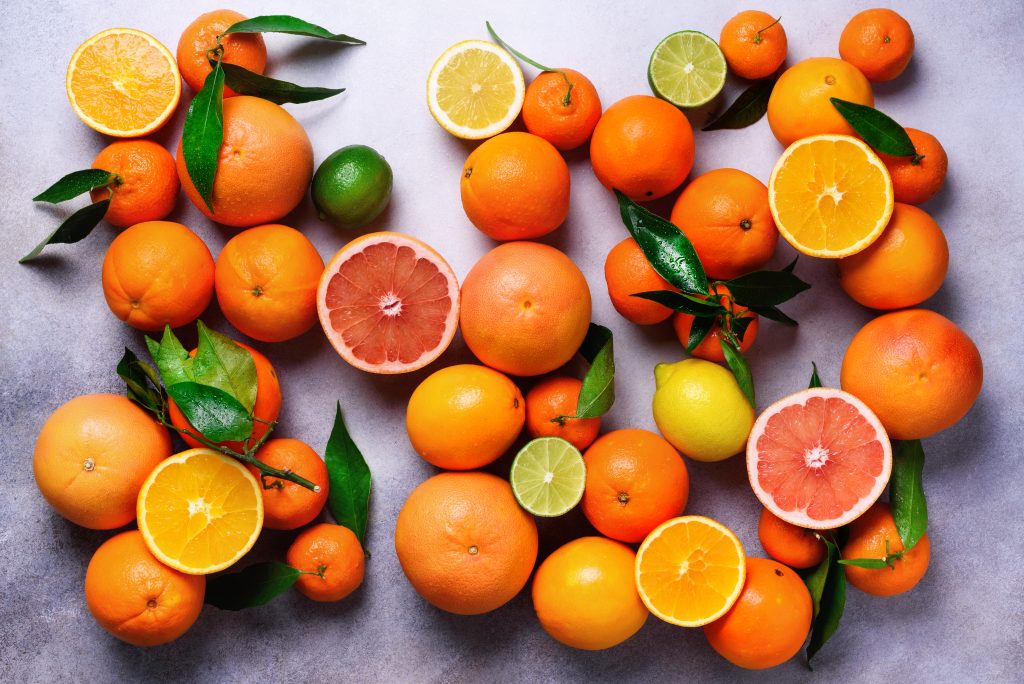
Winter is winding down, but citrus season is still going strong in California. Late-season varieties are arriving with peak flavor, vibrant color, and consistent quality, giving buyers the perfect opportunity to feature them in displays, bundles, and menus before the season ends. Keep your citrus program well-stocked with a diverse mix of the best fruit.
Learn More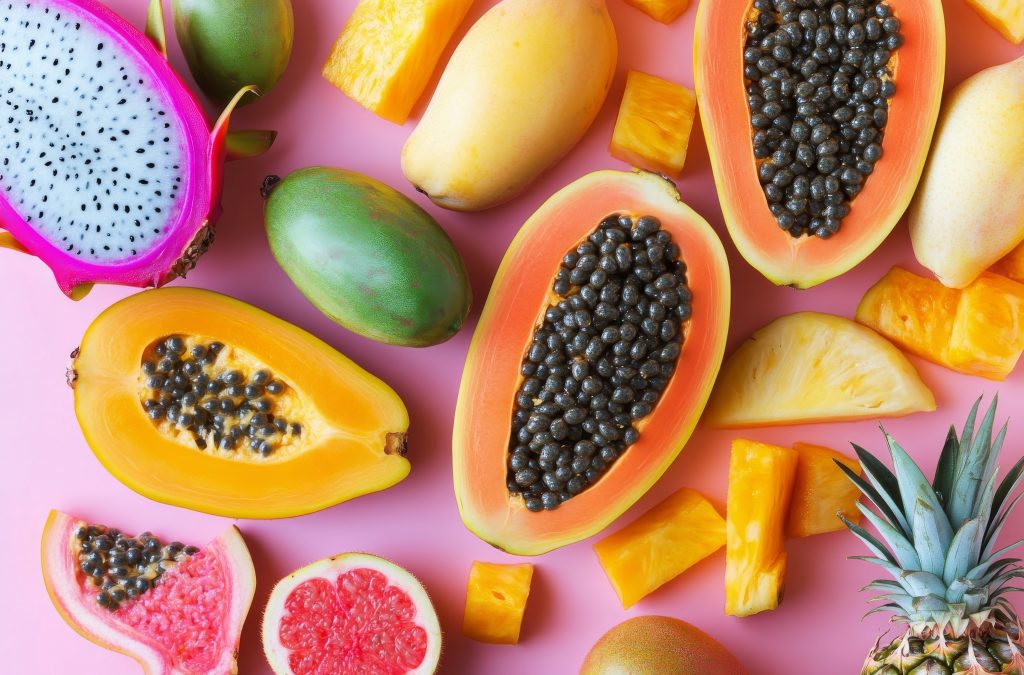
February is the perfect time to add color, flavor, and a touch of the exotic to winter retail displays. Citrus fatigue is real! While tropical fruits like Mango and Papaya need consistently hot, frost-free conditions, subtropical fruits, which includes Cherimoya, Dragonfruit and Passionfruit, grow best in warm regions that can handle mild winter chills—making February ideal for highlighting this category. These fruits are at peak availability right now, offering a fresh opportunity to excite shoppers and drive sales.
Learn More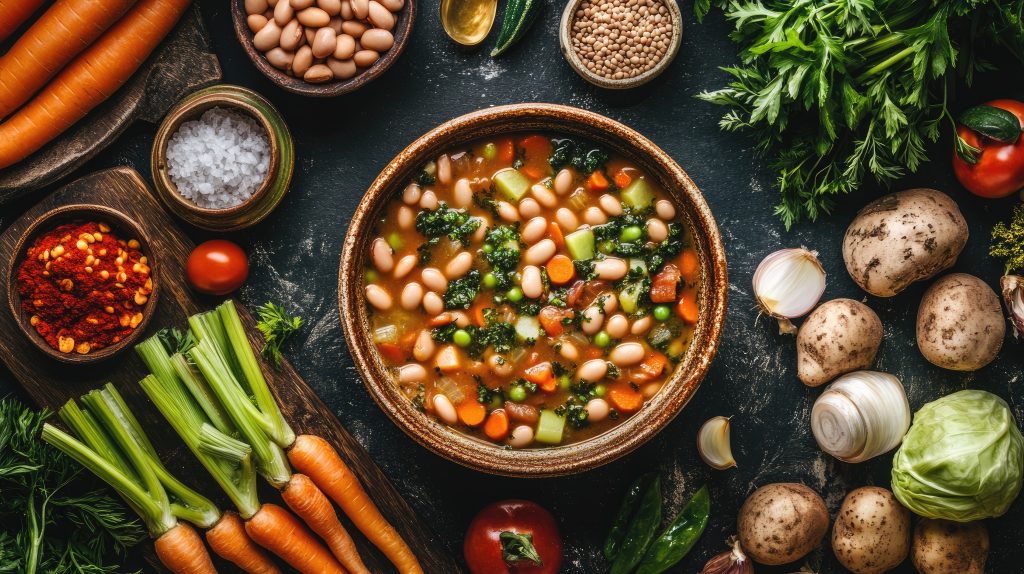
As colder weather sets in, shoppers are gravitating toward familiar, warming meals that feel grounding and satisfying. The result: renewed demand for hearty, versatile produce that anchors winter cooking.
Learn More